
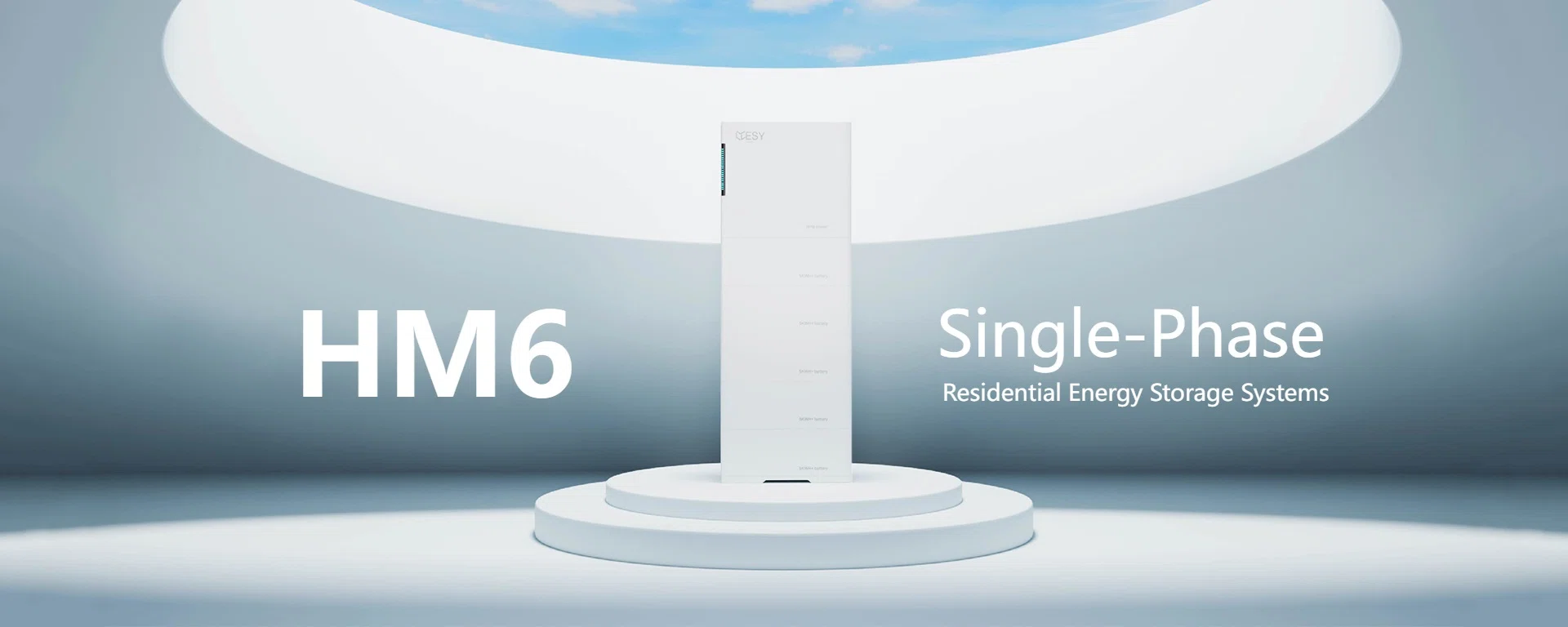
A 6kW home ESS is often a better choice when household electricity demand exceeds basic backup needs, especially for homes using larger solar systems, EV chargers, heat pumps, or multiple high-power appliances. Compared with a 5kW system, a 6kW unit provides about 20% more inverter output, allowing more devices to run at the same time. For households planning higher electricity consumption after 2025, the extra 1kW capacity can improve daily energy use and backup flexibility.
A 5kW and 6kW home energy storage system may look similar because the difference is only 1kW, but the available power output changes how a household uses electricity. A 5kW inverter can deliver 5,000 watts continuously, while a 6kW inverter increases this to 6,000 watts. This additional 1,000 watts represents a 20% increase in power capability, which can affect appliance operation during peak hours or grid outages.
The difference becomes clearer when several household devices operate together. A modern home may use 1,500–2,500 watts for air conditioning, 1,000–2,000 watts for kitchen equipment, and several hundred watts for lighting, refrigeration, and electronics. A 5kW system can manage many daily loads, but a 6kW system provides more room when multiple appliances are active at the same time.
A higher-rated ESS does not store more electricity automatically. It allows stored energy to be delivered at a higher rate when the home needs more power.
Battery capacity and inverter power are two separate specifications. For example, a 10kWh battery connected to a 5kW inverter and the same battery connected to a 6kW inverter contain the same amount of stored energy, but the second setup can supply electricity faster. This difference matters during short periods of high demand, such as starting a compressor-based appliance or charging an electric vehicle.
Solar system size is another factor when selecting between 5kW and 6kW solutions. Residential solar installations have continued growing in many markets since 2020, with homeowners adding larger photovoltaic arrays to reduce electricity purchases. A household with a 7–10kW solar system may generate more energy than a smaller ESS can effectively manage during daytime production periods.
A 6kW ESS can better match homes that have expanded solar generation. When solar output reaches several kilowatts during midday, the system can store excess electricity while maintaining enough output capacity for household consumption. This approach helps reduce dependence on grid electricity during evening hours.
The type of household equipment also changes the required system size. Traditional homes with refrigerators, lighting, televisions, and small appliances may operate comfortably with 5kW. However, homes with electric heating, heat pumps, induction cooking, swimming pool equipment, or EV charging equipment often require more available power.
According to residential energy usage data from different electricity markets, EV charging can add 2–11kWh of daily electricity consumption depending on driving distance and vehicle efficiency. A home adding an EV charger after installing a 5kW ESS may find that the available output capacity becomes limited during charging periods.
A 6kW system provides more flexibility for these situations. For example, a homeowner can operate household appliances while charging an EV without reaching the inverter's maximum output as quickly. This becomes more useful as more homes adopt electric transportation and electrified heating systems after 2025.
Installation environment also affects the choice between the two systems. A small household with stable electricity consumption may not need additional capacity, while a larger home with higher daily usage can benefit from a higher-rated ESS. Electricity demand should be evaluated based on current consumption and possible changes within the next several years.
| Household Type | Typical Electricity Pattern | Suitable ESS Size |
|---|---|---|
| Small home with basic appliances | Low evening consumption, limited high-power devices | 5kW |
| Medium home with solar panels | Regular solar charging and evening usage | 5kW–6kW |
| Home with EV charging | Higher daily electricity demand | 6kW |
| Home with heat pump or electric heating | Large seasonal power requirements | 6kW |
| Large solar installation | Higher daytime generation | 6kW |
The financial difference between a 5kW and 6kW system should also be considered. A 6kW ESS usually costs more because of higher-rated inverter components and additional system capability. However, the price difference is often smaller than the cost of replacing equipment later if household electricity needs increase.
Many homeowners install energy storage systems with a service life expectation of 10 years or longer. A system selected in 2026 may still be operating in 2036, when electricity consumption patterns may be different because of EV adoption, smart appliances, and home electrification.
For users looking for a residential ESS that combines higher output with flexible household applications, products such as ESYsunhome HM6 are designed around higher residential power requirements. A 6kW-class system can support households that need more available power without immediately moving to commercial-scale equipment.
Power outage performance is another area where the difference between 5kW and 6kW becomes noticeable. During grid failures, many homeowners want to keep refrigerators, communication equipment, lighting, security systems, and selected high-power devices available. A 5kW system may require more careful appliance selection, while a 6kW system can support a wider combination of loads.
Backup duration depends mainly on battery size and electricity consumption, but inverter output determines how many devices can run at once. For example, a 15kWh battery paired with a 6kW inverter can supply higher power levels than the same battery paired with a 5kW inverter.
Energy management software also improves the performance of modern ESS products. Many residential systems introduced after 2023 include smart scheduling functions that adjust charging and discharging based on solar production, electricity prices, and household consumption patterns. Higher inverter capacity gives these systems more flexibility when managing different load conditions.
A 5kW ESS remains a suitable option for households with predictable electricity usage. It can provide efficient solar storage and backup support without paying for additional capacity that may not be used. Homes with smaller solar arrays and fewer electrical appliances may achieve a better balance with a 5kW solution.
A 6kW ESS becomes more suitable when electricity demand is expected to rise. The additional 1kW output provides approximately 20% more power capacity, supporting larger solar systems, more appliances, and future electrical upgrades. For households planning long-term energy independence, the higher-rated system offers more room for changing electricity needs.